
 0
0
 0
0
Electrical emergencies can strike without warning and have immediate safety consequences for homes and businesses. Whether caused by sudden faults, ageing wiring, or unexpected surges, these situations demand swift, expert action. While regular electrical issues can often wait for scheduled appointments, emergency electrical faults are different: they pose immediate risks to life, property, and essential systems. This is where the role of an emergency electrician becomes indispensable. Unlike routine electrical services, these professionals provide rapid, reliable response and specialised problem-solving under pressure. Understanding when to call an emergency electrician, what services they provide, and how they handle urgent situations helps homeowners act decisively and safely. This article explores the key aspects of emergency electrical services, offering clear guidance on how to manage urgent electrical hazards with confidence and peace of mind.
Recognising When You Need an Emergency Electrician
Not all electrical faults are emergencies, but certain signs indicate immediate danger and require rapid attention. Visible sparking from sockets, persistent burning smells around electrical points, or frequent circuit breaker trips are strong signals that a system is failing in a way that could compromise safety. Sudden power loss confined to one area may seem harmless, but when combined with unexpected noises, overheating switches, or scorch marks, these issues can quickly escalate.
In residential settings, electrical emergencies often arise from overloaded circuits, worn or damaged cables, and components that can no longer support household demand. In commercial properties, the stakes are higher still, as electrical failure can disrupt essential operations, compromise security systems, and lead to costly downtime. Ignoring these warning signs can result in fire risks, electric shock, or extensive damage to appliances and infrastructure.
An emergency electrician is trained to assess both visible symptoms and hidden hazards, ensuring the situation is evaluated comprehensively and resolved safely. Acting promptly not only protects people and property but also minimises the risk of prolonged disruption.
What Makes Emergency Electrical Services Different
Emergency electricians operate under a different framework compared to standard electrical contractors. While routine appointments are planned and scheduled, emergency electrical services are defined by urgency and adaptability. These professionals are equipped to respond outside normal working hours, including evenings, weekends, and holidays, when electrical issues often present themselves.
Rapid response is the hallmark of emergency electrical services. Rather than diagnosing and solving problems over multiple visits, emergency electricians aim to make a site safe immediately. This may involve isolating circuits, stabilising the system, and providing temporary solutions before permanent repairs are implemented.
Emergency work also requires advanced diagnostic tools and extensive experience in fault-finding under pressure. Certified electricians trained for emergency response bring both technical proficiency and a calm, methodical approach to stressful conditions, helping clients feel reassured even in challenging circumstances.
Typical Emergency Electrical Situations
Certain scenarios clearly require urgent professional intervention. Outlets that emit smoke or sparks, exposed live wires, or electrical panels that are excessively hot to the touch are immediate red flags. These faults demand the expertise of an emergency electrician as soon as possible.
Another common trigger for emergency calls is persistent tripping of circuit breakers. While occasional trips can occur with high loads, frequent or unexplained tripping often points to underlying faults that compromise safety. In older properties especially, wiring that has deteriorated over time can fail suddenly under routine loads, making rapid professional assessment crucial.
Power surges, often caused by lightning strikes or faulty appliances, may also necessitate emergency attention. These surges can damage sensitive electronics and destabilise the broader electrical system if not quickly addressed.
By recognising these situations early and calling an emergency electrician promptly, homeowners and business owners can prevent minor faults from escalating into major hazards.
The Emergency Electrician’s Rapid Response Process
When an emergency electrician arrives on site, the first priority is always safety. This begins with a thorough risk assessment, identifying hazards such as live exposed parts, signs of overheating, or structural compromises that may complicate access. Power is often isolated safely to stabilise the environment before detailed inspections begin.
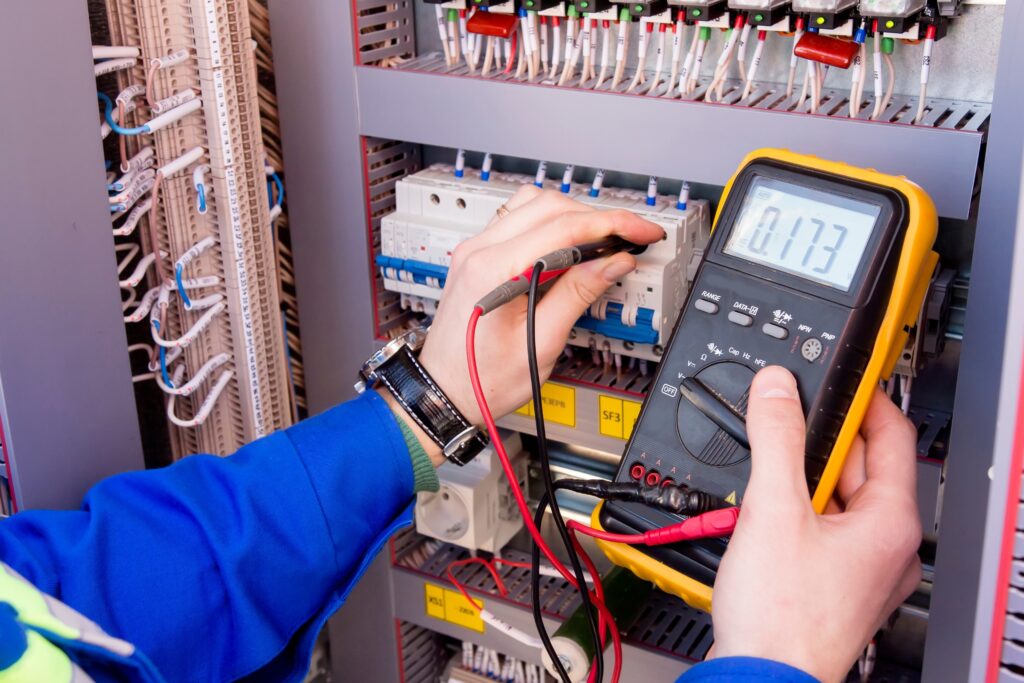
Once the area is secure, the electrician conducts swift fault-finding processes, using professional testing equipment to pinpoint the exact cause of the issue. This precision avoids unnecessary replacements or disruptive rewiring and focuses on effective resolution.
Communication is critical during emergency work. Clients receive clear explanations of what has caused the problem, what steps are needed to resolve it, and what temporary measures (if any) have been taken to ensure safety. By providing transparent guidance and dependable solutions, emergency electricians help restore confidence in the integrity of a property’s electrical system.
Benefits of Engaging a Certified Emergency Electrician
Choosing a certified emergency electrician ensures that urgent work meets safety and regulatory standards. Certification signals that the professional has undergone rigorous training, adheres to current electrical regulations, and follows recognised best practices when dealing with complex faults.
Certification also provides accountability. Certified electricians are accountable to professional bodies that oversee conduct and technical competence, offering homeowners an added level of protection and assurance.
Emergency situations can be stressful, but having confidence in the qualifications and integrity of the responding electrician makes a significant difference. Professional expertise reduces risk, increases accuracy of diagnosis, and ensures compliance with safety norms.
How Local Knowledge Enhances Emergency Response
When urgent electrical faults occur, proximity matters. Electricians who serve the local community can often arrive faster, equipped with tools and parts suited to regional property needs. Familiarity with local building types and common infrastructure characteristics allows for more efficient problem-solving.
Searching for a responsive professional often begins with terms like emergency electrician, and choosing a local provider enhances accessibility and accountability. Local electricians understand the specific requirements of homes and businesses in the area, helping them tailor solutions that meet both performance and compliance expectations.
A local emergency electrician also offers practical advantages such as follow-up support and scheduled maintenance to prevent future urgent call-outs, building a relationship that goes beyond the immediate crisis.
Conclusion
Electrical emergencies demand swift, informed action, and engaging a qualified emergency electrician is the safest way to address urgent faults. These professionals combine rapid response, advanced diagnostic expertise, and regulatory compliance to protect people and property during high-risk situations. Recognising warning signs early and seeking professional help reduces the likelihood of serious hazards such as fires or electric shock. Certification, local knowledge, and clear communication are essential qualities that distinguish reliable emergency electricians from general electrical service providers. By prioritising safety, professionalism, and responsiveness, property owners can navigate electrical emergencies with confidence and assurance. When every second counts, having access to trusted emergency electrical support ensures that electrical systems are restored quickly and safely, protecting both daily life and long-term peace of mind.


