
 0
0
 0
0
Why Physical Robotics Is Entering Everyday Life
For decades, robots were largely confined to factory floors, performing repetitive tasks in controlled industrial environments. Today, that reality is changing rapidly. Advances in hardware, artificial intelligence, and sensor technology have pushed physical robotics beyond manufacturing, bringing robots into hospitals, warehouses, homes, farms, and public spaces. These machines are no longer isolated tools; they are becoming integrated participants in daily life.
This shift is driven by practical needs. Labor shortages, rising operational costs, and demand for efficiency have accelerated adoption across industries. At the same time, improvements in machine perception and mobility allow robots to navigate unpredictable environments more safely and effectively.
Unlike purely digital automation, physical robotics interacts directly with the real world. This introduces new possibilities—and challenges—related to safety, ethics, and human collaboration. Understanding how and why physical robotics is expanding beyond factories is essential for grasping the future of work, service delivery, and technological integration in society.
From Industrial Arms to Mobile, Adaptive Machines
Traditional industrial robots were designed for precision and repetition, operating within fixed boundaries. Modern physical robots, however, are increasingly mobile and adaptive. Equipped with advanced sensors, cameras, and real-time processing, they can respond dynamically to changing environments.
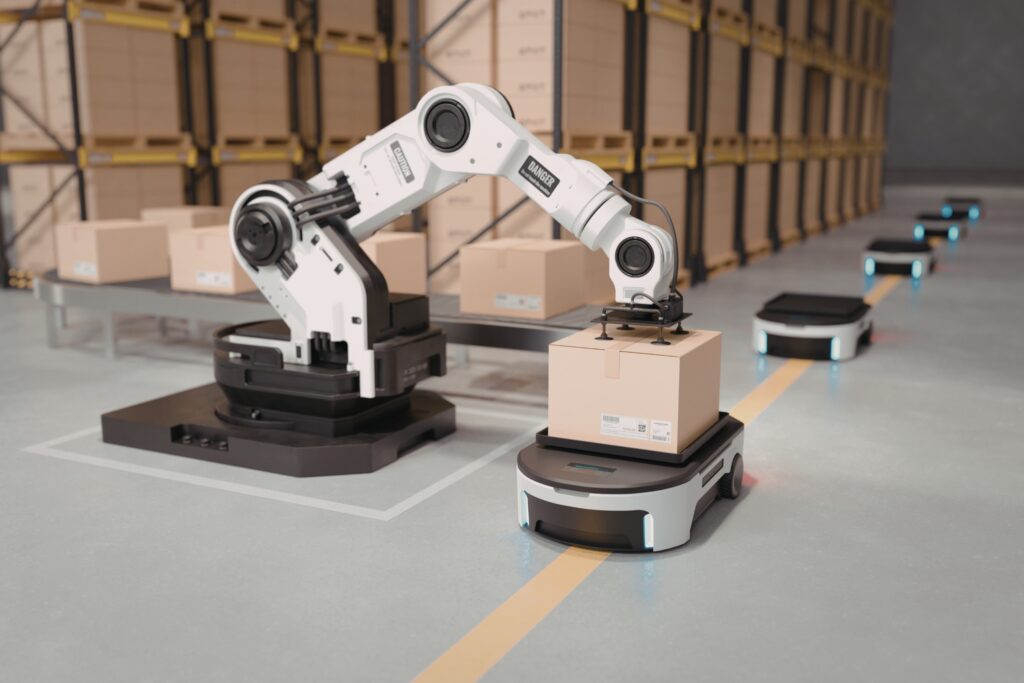
Mobile robots now navigate warehouses, hospitals, and outdoor spaces, transporting goods or assisting personnel. Autonomous navigation systems allow robots to avoid obstacles, recognize humans, and adjust behavior in real time. These capabilities mark a departure from rigid automation toward flexible collaboration.
The integration of machine learning enables robots to improve performance over time. Rather than following static instructions, they learn from data and experience. This adaptability expands their usefulness across industries previously unsuitable for automation.
These developments highlight the growing importance of physical robotics innovation trends, as real-world deployment demands machines capable of safe, reliable interaction with complex environments.
Healthcare and Service Robotics Transforming Human Support
Healthcare is one of the most significant beneficiaries of physical robotics expansion. Robots assist with logistics, sanitation, patient monitoring, and even surgical procedures. Their presence reduces workload for medical staff and improves efficiency without replacing human judgment.
Service robots deliver supplies, disinfect rooms, and support rehabilitation therapies. In elder care, robotic assistants help with mobility, reminders, and companionship, addressing challenges posed by aging populations.
Outside healthcare, service robots appear in hospitality, retail, and public spaces. They guide visitors, deliver food, and manage routine tasks. These applications emphasize augmentation rather than replacement, enabling humans to focus on complex or interpersonal responsibilities.
The success of service robotics depends on trust and usability. Clear design, predictable behavior, and transparent purpose help users accept robotic assistance as part of daily operations.
Logistics, Agriculture, and Field Applications
Beyond indoor environments, physical robots are increasingly deployed in logistics and agriculture. Autonomous vehicles and drones streamline supply chains, while robotic systems handle sorting, packing, and inventory management.
In agriculture, robots monitor crops, apply treatments, and assist with harvesting. These machines address labor shortages and improve precision, reducing waste and environmental impact. Sensors and data analytics guide decisions, optimizing resource use.
Field robotics face unique challenges, including uneven terrain and weather conditions. Continued innovation focuses on durability and adaptability to ensure reliable performance.
These applications demonstrate how robotics contributes to efficiency and sustainability across sectors, reinforcing its role in modern infrastructure.
Human–Robot Collaboration and Safety Considerations
As robots move into shared spaces, human–robot collaboration becomes central. Collaborative robots, or cobots, are designed to work alongside people safely. They incorporate sensors that detect proximity and adjust movement to prevent harm.
Safety standards and regulations play a critical role in adoption. Clear guidelines ensure robots operate responsibly while protecting users. Transparency in design and behavior builds confidence and reduces resistance.
Ethical considerations also emerge. Questions around accountability, data use, and decision-making must be addressed. Responsible deployment prioritizes human oversight and clear operational boundaries.
Access to in-depth technology perspectives from platforms like Fuzz Journal helps readers understand these complexities, offering context beyond technical specifications.
What the Expansion of Physical Robotics Means for the Future
The rise of physical robotics signals a broader transformation in how technology integrates with society. As robots become more capable and accessible, their roles will continue expanding across industries.
Future developments emphasize collaboration, adaptability, and responsible design. Rather than replacing humans, physical robots are increasingly positioned as partners that enhance productivity and safety.
Education and workforce development will adapt accordingly, focusing on skills that complement automation. Understanding robotics becomes a practical necessity across professions.
This evolution highlights the importance of informed discussion and thoughtful implementation as robotics shapes the future of work and daily life.
Conclusion
Physical robotics is no longer confined to factory floors; it is becoming an integral part of modern life. Advances in mobility, perception, and intelligence have enabled robots to operate safely and effectively in diverse environments, from healthcare and agriculture to logistics and public services. While challenges related to safety, ethics, and human collaboration remain, thoughtful design and regulation continue to guide responsible adoption. As physical robotics evolves, its impact will extend beyond efficiency, influencing how people work, interact, and solve real-world problems. Understanding this shift allows society to harness robotic innovation while maintaining human-centered values and oversight.
🔑 SEO KEYWORDS USED (Confirmed)
✅ Category Keyword (Technology)
physical robotics innovation trends
✅ Homepage Keyword
in-depth technology perspectives


